
Packing for an outdoor adventure can be just as important as choosing the destination itself. Whether you’re heading out for a weekend camping trip, spending the day hiking scenic trails, enjoying a relaxing fishing excursion, or taking a quick outdoor getaway, the way you organize your gear can have a major impact on your overall experience.
Packing smart isn’t about bringing as much equipment as possible. It’s about selecting the right gear, staying organized, and preparing for the unexpected without carrying unnecessary weight. A well-packed bag helps you stay comfortable, find essential items quickly, and spend more time enjoying nature instead of searching through your gear.
No matter where your adventure takes you, a thoughtful packing strategy helps make every trip safer, more efficient, and far more enjoyable.
Start by Planning Your Adventure
Before packing a single item, take a few minutes to think about the type of trip you’re taking.
Camping, hiking, fishing, and weekend getaways all require different equipment. Consider how long you’ll be away, what activities you plan to enjoy, the expected weather, and whether you’ll have access to amenities such as restrooms, potable water, or nearby stores.
Checking the weather forecast before leaving is also an important part of planning. Outdoor conditions can change quickly, and knowing what to expect allows you to pack appropriate clothing and gear.
The better your preparation, the easier it becomes to pack efficiently.
Choose the Right Bag
Your backpack or travel bag serves as the foundation of your packing system.
For hiking, a lightweight daypack with comfortable shoulder straps and multiple compartments provides enough room for water, snacks, extra clothing, and emergency supplies.
Camping trips may require larger duffel bags, gear totes, or camping bins that help organize sleeping equipment, cooking supplies, and personal items.
Fishing outings often benefit from tackle bags or backpacks with dedicated compartments for gear while leaving space for food, water, and weather protection.
Choosing a bag that fits your activity prevents overpacking while keeping everything organized.
The right bag should work with your adventure, not against it.
Pack Only What You’ll Use
One of the biggest mistakes outdoor enthusiasts make is packing too much.
Every item you bring should have a purpose. Instead of preparing for every possible situation, focus on the gear you’ll realistically use during your trip.
Multi-purpose equipment is especially valuable because it performs multiple functions while reducing the amount of gear you need to carry.
Packing lighter improves mobility, reduces fatigue, and makes unpacking much easier when you arrive at your destination.
Smart packing is about efficiency, not quantity.
Organize Gear by Category
Keeping similar items together saves time throughout your trip.
Store cooking equipment in one area, clothing in another, personal items in separate bags, and emergency supplies where they’re easy to reach.
Packing cubes, dry bags, zippered pouches, and waterproof storage containers help keep everything organized while protecting gear from dirt and moisture.
Color-coded bags can make locating specific equipment even faster.
A consistent organization system means you’ll always know exactly where to find what you need.
Dress in Layers
Weather conditions can change throughout the day, making layered clothing one of the smartest packing decisions you can make.
Start with moisture-wicking base layers, add insulating layers for warmth, and include a waterproof outer layer in case of rain or wind.
Extra socks are one of the most valuable items you can pack, especially for hiking and camping. Dry feet help improve comfort during long days outdoors.
Packing clothing that works together allows you to adjust quickly without carrying bulky outfits for every possible condition.
Versatility is the key to comfortable outdoor travel.
Keep Frequently Used Items Accessible
Some items should always be within easy reach.
Water bottles, snacks, sunscreen, sunglasses, rain jackets, bug repellent, maps, flashlights, and first-aid supplies are all items you may need throughout the day.
Instead of burying them beneath sleeping bags or clothing, keep these essentials in exterior pockets or top compartments.
Easy access saves time and helps you respond quickly when weather changes or unexpected situations arise.
Convenience becomes especially valuable on longer adventures.
Pack for Camping Comfort
Camping often requires more equipment than other outdoor activities, but thoughtful organization keeps everything manageable.
Separate sleeping gear, cooking supplies, food storage, clothing, and camp furniture into dedicated containers.
Setting up camp becomes much easier when each category of equipment has its own place.
Pack lighting such as lanterns and headlamps where they’re easy to find after arriving at camp, especially if you’re setting up near sunset.
An organized campsite begins with an organized packing system.
Prepare for Hiking and Fishing Trips
Hiking and fishing both benefit from lightweight, organized gear.
For hiking, focus on carrying hydration, navigation tools, snacks, weather protection, and basic emergency supplies without adding unnecessary weight.
Fishing trips require space for tackle, bait, tools, and safety equipment while still leaving room for food, water, and extra clothing.
Waterproof bags are especially helpful around lakes, rivers, and streams, helping protect electronics and other sensitive gear from moisture.
Packing specifically for your activity helps you stay prepared without becoming overloaded.
Always Bring Emergency Essentials
No matter where you’re going, certain safety items deserve a permanent place in your outdoor gear.
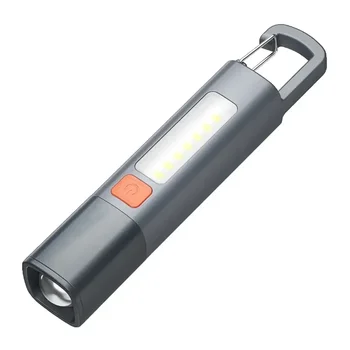
A basic first-aid kit, flashlight or headlamp, extra batteries, emergency blanket, whistle, multitool, fire-starting supplies, and portable phone charger take up very little space but can be invaluable if unexpected situations arise.
Keeping these items packed together ensures they’re always ready whenever adventure calls.
Preparation provides confidence without adding unnecessary bulk.
Repack After Every Adventure
One of the best habits outdoor enthusiasts develop is preparing for the next trip before putting their gear away.
Clean equipment, replace used first-aid supplies, recharge batteries, wash clothing, and inspect gear for damage before storing it.
Keeping your equipment organized between trips makes future packing much faster and reduces the chances of forgetting important items.
Each adventure also provides an opportunity to evaluate what you used, what stayed packed, and what can be left behind next time.
Every trip helps improve your packing system.
Final Thoughts
Packing smart is one of the easiest ways to improve every outdoor adventure. Whether you’re camping, hiking, fishing, or heading out for a weekend getaway, thoughtful preparation, organized gear, and efficient packing help create a safer, more comfortable, and more enjoyable experience.
By choosing the right bag, packing only what you need, organizing equipment by category, dressing for changing weather, keeping essentials accessible, and carrying basic emergency supplies, you’ll be prepared for whatever your adventure brings.
The more experience you gain outdoors, the more refined your packing system will become. Before long, preparing for your next adventure will feel almost effortless, allowing you to spend less time packing and more time enjoying everything nature has to offer.


0 Comments