
A successful camping trip isn’t just about having the right gear—it’s also about knowing how to organize it. When equipment is scattered, supplies are difficult to find, and storage space is limited, even simple camping tasks can become frustrating. A well-organized campsite makes everything easier, from setting up your tent to preparing equipment and packing up at the end of your adventure.
Camping organization is about creating simple systems that save time, reduce clutter, and help you make the most of the space you have. Whether you’re a weekend camper, a family adventurer, or someone who enjoys longer outdoor trips, a few smart organization habits can completely improve your camping experience.
By planning ahead, using efficient storage methods, and keeping frequently used items accessible, you can spend less time searching through gear and more time enjoying the outdoors.
Plan Your Gear Before Packing
Organization starts before you ever leave home.
Instead of throwing equipment into bags at the last minute, take time to review your trip plans and determine what gear you actually need. Consider the length of your trip, expected weather conditions, planned activities, and available campsite amenities.
Create categories for your equipment, such as sleeping gear, cooking supplies, clothing, safety items, and outdoor activity equipment. Grouping similar items together makes packing easier and prevents important gear from being forgotten.
A simple packing system also makes it easier to unload and set up your campsite when you arrive.
The more organized you are before your trip, the smoother everything becomes once you’re outdoors.
Use Storage Containers and Gear Bags
One of the easiest ways to improve campsite organization is by using dedicated storage containers.
Plastic bins, waterproof bags, and gear organizers help protect equipment from dirt, moisture, and weather while keeping everything in one place. Instead of searching through multiple bags for small items, you can quickly locate exactly what you need.
Consider using separate containers for different categories:
A cooking container can hold cookware, utensils, cleaning supplies, and camp stove accessories.
A personal gear bag can store clothing, toiletries, and everyday essentials.
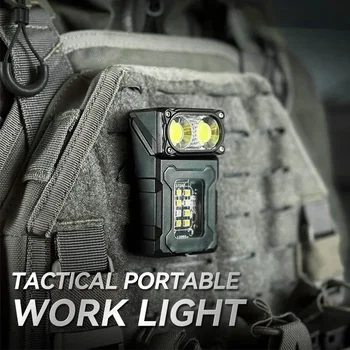
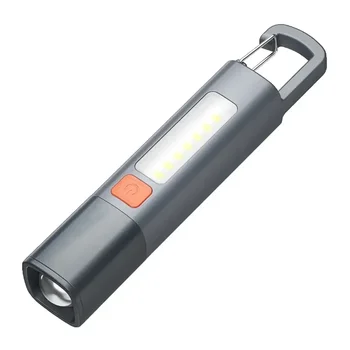
A safety container can keep first-aid supplies, flashlights, emergency equipment, and repair tools together.
Creating specific storage zones saves time and keeps your campsite from becoming cluttered.
Pack Items Based on How Often You Use Them
One of the most effective organization strategies is arranging your gear based on accessibility.
Items you use frequently should be easy to reach, while equipment needed less often can be stored deeper in your vehicle or campsite storage area.
Keep essentials such as water bottles, sunscreen, flashlights, rain jackets, maps, and first-aid supplies in accessible locations.
Sleeping gear and backup equipment can remain packed away until needed.
This simple approach prevents you from constantly unpacking and repacking your entire setup throughout your trip.
Convenience is one of the biggest benefits of smart organization.
Maximize Space With Multi-Purpose Gear
Saving space while camping often comes down to choosing equipment that serves more than one purpose.
Multi-purpose gear reduces the number of items you need to pack while still providing useful functions. Compact tools, versatile storage solutions, and lightweight equipment help reduce bulk without sacrificing comfort.
Instead of packing separate items for every situation, consider which pieces of gear can perform multiple roles.
Efficient packing allows you to bring what you need while keeping your load manageable.
Organize Your Vehicle for Easy Access
For car camping trips, your vehicle becomes part of your storage system.
Loading your vehicle strategically can make arrival and setup much easier. Place campsite essentials where they can be reached first, such as your tent, shelter, lighting, and sleeping equipment.
Store less frequently used items toward the back or bottom of your storage area.
Using bins or bags with labels allows everyone at camp to quickly identify where equipment belongs.
A well-organized vehicle reduces setup time and makes the transition from travel mode to campsite mode much smoother.
Create a Campsite Layout
Once you arrive, organize your campsite intentionally.
Create designated areas for sleeping, cooking, relaxing, and storing gear. Keeping activities separated helps prevent clutter and makes daily routines easier.
Place frequently used equipment near the areas where it is needed. Cooking supplies should stay close to the cooking area, while personal items should remain near sleeping spaces.
A thoughtful campsite layout improves efficiency and helps everyone understand where things belong.
Organization creates a more comfortable outdoor living space.
Keep Small Items Together
Small pieces of equipment are often the easiest things to lose while camping.
Items such as batteries, charging cables, repair supplies, matches, utensils, and personal items should have dedicated storage locations.
Small pouches, zippered bags, or compact organizers can keep these items together and prevent them from disappearing into larger bags.
Labeling small storage containers can also make finding items much faster.
Small organization habits often make the biggest difference.
Use Vertical and Hidden Storage Space
When camping, every bit of space matters.
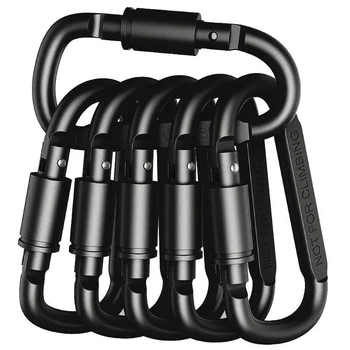
Hanging organizers, gear hooks, and compact storage systems can help keep equipment off the ground and reduce clutter around your campsite.
Inside tents or shelters, hanging pockets can hold personal items, flashlights, and small essentials while keeping the sleeping area organized.
Using available vertical space helps create a cleaner and more functional campsite without adding extra equipment.
Smart storage isn’t always about bringing more—it’s about using space better.
Prepare a Setup and Pack-Up System
Creating a consistent routine makes every camping trip easier.
Set up your campsite in the same order each time, starting with essentials such as shelter, sleeping areas, and weather protection before organizing smaller details.
When packing up, return items to the same containers and locations where they started. This reduces the chance of forgetting important gear and makes future trips easier to prepare for.
A repeatable system saves time and lowers stress.
Keep a Camping Checklist
A camping checklist is one of the simplest organization tools you can use.
Before each trip, review your checklist and adjust it based on what you learned from previous adventures. Over time, your list becomes personalized to your camping style.
Include categories for equipment, clothing, safety supplies, personal items, and activity-specific gear.
A checklist helps prevent forgotten essentials while reducing unnecessary packing.
Preparation creates confidence before every adventure.
Maintain Organization During Your Trip
Staying organized isn’t only about packing—it’s also about maintaining your system while camping.
Return items to their proper place after using them, keep trash contained, and avoid letting equipment spread throughout your campsite.
Taking a few minutes each evening to tidy your space makes mornings easier and keeps your campsite comfortable.
Small daily habits prevent large messes.
Final Thoughts
Camping organization doesn’t require complicated systems or expensive equipment. Simple habits like using storage containers, grouping similar gear, maximizing space, creating campsite zones, and keeping essentials accessible can make every outdoor adventure easier.
A well-organized campsite allows you to spend less time searching for supplies and more time relaxing, exploring, and enjoying nature. Whether you’re camping for one night or spending an entire week outdoors, smart organization helps create a more comfortable and stress-free experience.
The best camping setups aren’t always the biggest—they’re the ones that are thoughtfully planned, easy to manage, and designed around the way you enjoy the outdoors.


0 Comments