
Camping is one of the few outdoor activities that can be enjoyed throughout the entire year. Every season offers something unique, from blooming wildflowers in the spring to colorful autumn forests and peaceful snow-covered landscapes in the winter. While each time of year provides its own memorable experiences, seasonal changes also require different preparation, gear, and camping strategies.
Understanding how weather, daylight, temperatures, and environmental conditions vary throughout the year helps campers stay comfortable and prepared regardless of when they head outdoors. The key isn’t simply packing more equipment—it’s choosing the right gear for the conditions you’ll encounter.
Whether you’re planning your first camping trip or looking to expand your adventures into new seasons, knowing how to adjust your setup can make every camping experience safer, more enjoyable, and more comfortable.
Spring Camping
Spring is often considered one of the best times to begin the camping season. As temperatures become milder and nature comes back to life, campgrounds and hiking trails offer beautiful scenery filled with blooming flowers, flowing streams, and active wildlife.
Spring weather, however, can be unpredictable. Warm afternoons may quickly give way to cool evenings or sudden rain showers. Because of these changing conditions, layered clothing becomes especially important.
A waterproof jacket, moisture-resistant footwear, and extra dry clothing can help keep you comfortable if the weather changes unexpectedly. Waterproof storage bags are also useful for protecting clothing, electronics, and sleeping gear from rain.
Ground conditions may remain damp from melting snow or seasonal rainfall, making a durable ground tarp an excellent addition beneath your tent.
Spring camping rewards those who prepare for a variety of weather conditions.
Summer Camping
Summer is the most popular camping season for good reason. Longer daylight hours provide more time for hiking, fishing, swimming, and exploring, while warmer temperatures make spending time outdoors especially enjoyable.
Although summer camping often requires less insulation than other seasons, staying cool and protected from the sun becomes a priority.
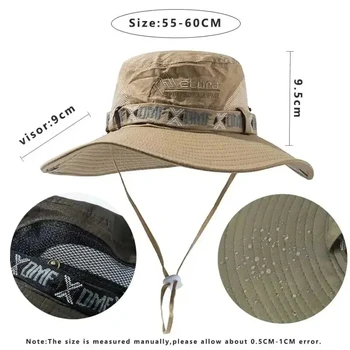
Lightweight, breathable clothing helps improve comfort during warm afternoons, while hats and sunglasses provide additional protection from prolonged sun exposure.
Hydration is especially important during summer adventures. Carry plenty of drinking water and make it easily accessible throughout the day.
Ventilated tents, portable shade canopies, and camp chairs placed in shaded areas can make campsites much more comfortable during hot weather.
Because summer storms can develop quickly in some regions, checking weather forecasts before and during your trip remains essential.
Fall Camping
For many outdoor enthusiasts, fall offers the perfect balance between comfortable temperatures and breathtaking scenery.
Cooler weather often makes hiking and outdoor activities more enjoyable, while colorful leaves create some of the most beautiful landscapes of the year.
As temperatures begin dropping, warmer sleeping gear becomes increasingly important. Sleeping bags designed for cooler nights, insulated sleeping pads, and layered clothing help maintain comfort after sunset.
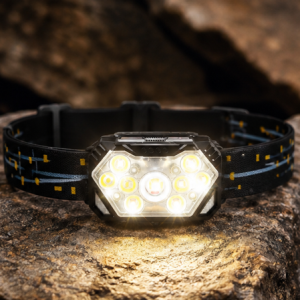
Because daylight hours become shorter during autumn, reliable lighting becomes even more valuable. Headlamps, lanterns, and extra batteries should always be easily accessible.
Fall weather can also change rapidly, so packing rain protection and additional warm layers helps prepare for a variety of conditions.
Camping during autumn offers peaceful campgrounds and unforgettable natural beauty.
Winter Camping
Winter camping provides a completely different outdoor experience.
Snow-covered forests, quiet landscapes, and fewer crowds create a peaceful atmosphere that many experienced campers enjoy. However, winter also requires the greatest amount of preparation and specialized equipment.
Staying warm becomes the highest priority.
High-quality sleeping bags rated for cold temperatures, insulated sleeping pads, layered clothing, gloves, hats, and waterproof outerwear all work together to retain body heat.
Winter tents are designed to handle snow, wind, and colder conditions, offering additional protection during severe weather.
Keeping equipment dry is especially important because moisture can quickly reduce the insulating ability of clothing and sleeping gear.
Careful planning and regular weather monitoring help ensure winter camping remains both safe and enjoyable.
Adjust Your Clothing for Every Season
No matter the time of year, proper clothing plays a major role in camping comfort.
Layering remains one of the most effective strategies because it allows you to adjust as temperatures change throughout the day.
Moisture-wicking base layers help manage perspiration, insulating layers provide warmth, and weather-resistant outer layers protect against rain, wind, or snow.
Comfortable footwear should match the season as well. Waterproof boots work well during wet spring and fall conditions, while lightweight hiking shoes may be ideal during warmer summer trips.
Packing extra socks is always a good idea, regardless of the season.
Versatile clothing helps campers adapt to changing conditions without carrying excessive gear.
Choose the Right Shelter
Your shelter requirements will vary depending on the season.
During warmer months, tents with excellent ventilation help improve airflow and reduce condensation.
Spring and fall camping often benefit from weather-resistant tents that provide reliable protection from rain and wind.
Winter camping typically requires shelters designed to withstand snow loads and colder temperatures.
Adding a quality ground tarp beneath your tent helps protect the floor while reducing moisture throughout much of the year.
Choosing the appropriate shelter for seasonal conditions contributes significantly to both comfort and safety.
Organize Your Gear Efficiently
Keeping equipment organized becomes increasingly important as seasonal gear changes.
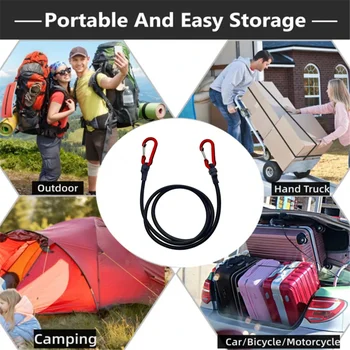
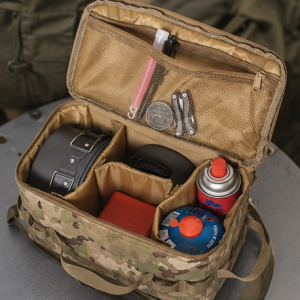
Separate clothing, cooking supplies, sleeping equipment, and emergency gear into clearly organized storage containers or bags.
Seasonal items such as rain gear, insulated clothing, or extra blankets should remain easily accessible based on the conditions you expect.
Efficient organization allows you to quickly find what you need without unpacking your entire campsite.
A well-organized camping setup saves time while improving overall comfort.
Always Prepare for Changing Weather
Regardless of the season, weather conditions can change unexpectedly.
Checking forecasts before leaving home is only the first step. Continue monitoring conditions whenever possible during your trip.
Bring emergency supplies such as a first-aid kit, flashlight, emergency blanket, extra batteries, and communication devices appropriate for your destination.
Being prepared allows you to respond calmly if conditions become less favorable.
Outdoor adventures are most enjoyable when safety remains a priority.
Respect Seasonal Conditions
Every season brings different environmental considerations.
Spring may feature muddy trails and active wildlife. Summer often requires careful fire safety and hydration. Fall may include shorter days and cooler nights, while winter presents snow, ice, and freezing temperatures.
Adjusting your expectations and preparation according to seasonal conditions allows you to camp responsibly while protecting both yourself and the environment.
Respect for nature helps preserve these beautiful outdoor spaces for future campers.
Final Thoughts
Camping is an activity that can be enjoyed throughout the entire year, with every season offering its own unique beauty and experiences. Spring welcomes new life and mild temperatures, summer provides long days filled with adventure, fall showcases colorful landscapes and crisp air, and winter delivers peaceful scenery unlike any other time of year.
By adjusting your clothing, shelter, sleeping gear, organization, and overall preparation to match seasonal conditions, you can enjoy safe and comfortable camping adventures no matter the month.
Each season offers new opportunities to explore, learn, and appreciate the outdoors in different ways. With thoughtful planning and the right equipment, camping truly becomes a year-round adventure.

0 Comments