
A backpack is one of the most important pieces of gear for any outdoor adventure. Whether you’re heading out for a short day hike, a weekend camping trip, a long backpacking journey, or an outdoor-focused vacation, the right backpack can make the difference between a comfortable experience and a frustrating one.
A good backpack does more than simply carry your belongings. It helps distribute weight, keeps equipment organized, protects your gear from the elements, and allows you to move comfortably throughout your adventure.
With so many sizes, styles, and features available, choosing the right backpack can feel overwhelming. The best option depends on how you plan to use it, how much gear you need to carry, and what features are most important for your activities.
Understanding capacity, fit, organization, and comfort will help you choose a backpack that supports every adventure.
Consider How You Plan to Use Your Backpack
The first step in choosing the right backpack is identifying the type of adventures you enjoy most.
A backpack designed for a short hiking trip will have different features than one built for multi-day camping or travel. Day hikers typically need space for water, snacks, clothing layers, and safety supplies, while campers and backpackers require additional room for sleeping gear, shelter, cooking equipment, and personal items.
Travel backpacks often prioritize organization and accessibility, making it easier to store clothing, electronics, and everyday essentials.
Before choosing a backpack, consider where you’ll use it, how long your trips usually last, and what equipment you typically bring.
The right backpack should match your lifestyle and adventure goals.
Understanding Backpack Capacity
Backpack capacity is measured in liters and determines how much gear the bag can hold.
Smaller backpacks are ideal for short outings where you only need essential items. Daypacks often provide enough space for water, snacks, extra clothing, navigation tools, and personal belongings without adding unnecessary bulk.
Medium-sized backpacks are useful for overnight trips, casual camping, and longer day adventures where additional equipment is needed.
Larger backpacks are designed for extended camping and backpacking trips where you’ll need to carry shelter, sleeping equipment, cooking supplies, and extra clothing.
Choosing the correct capacity helps prevent two common problems: carrying a bag that is too small or bringing a backpack that encourages unnecessary overpacking.
The goal is to have enough space for what you need while keeping your load manageable.
Finding the Right Fit
A backpack that fits properly is essential for comfort, especially during longer adventures.
The backpack should sit comfortably against your back while allowing you to move freely. Adjustable shoulder straps, chest straps, and hip belts help distribute weight more evenly and reduce strain on your shoulders.
Many outdoor backpacks are designed with adjustable suspension systems that allow you to customize the fit based on your body shape and size.
A properly fitted backpack should feel balanced, with most of the weight supported close to your body rather than pulling backward.
Taking time to adjust your backpack before your trip can greatly improve comfort on the trail.
Prioritize Comfort Features
Comfort becomes increasingly important the longer you carry your backpack.
Look for features such as padded shoulder straps, breathable back panels, supportive hip belts, and lightweight materials.
Ventilated back designs help improve airflow and reduce discomfort during warm-weather adventures.
For hiking and backpacking, weight distribution is especially important. A comfortable backpack allows you to carry your equipment efficiently without creating unnecessary pressure points.
Small comfort features can make a significant difference during long days outdoors.
Choose the Right Organization System
A backpack’s organization features determine how easily you can access your gear.
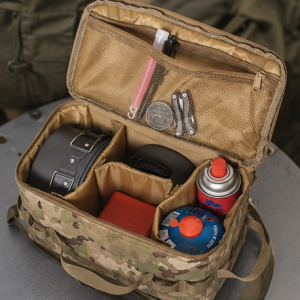
Multiple compartments allow you to separate clothing, food storage, safety equipment, electronics, and personal items. Exterior pockets are useful for frequently used items such as water bottles, maps, snacks, or rain gear.
For hiking, quick-access pockets can be extremely convenient when you need something while on the trail.
For camping, larger compartments help keep sleeping gear and equipment organized.
For travel, dedicated sections for electronics, documents, and personal belongings can make moving between destinations much easier.
Good organization saves time and reduces frustration.
Backpacks for Hiking
Hiking backpacks are designed to balance comfort, mobility, and accessibility.
A day hiking backpack should be lightweight while still providing enough room for essentials such as hydration, weather protection, navigation tools, and emergency supplies.
Features like hydration bladder compatibility, trekking pole attachments, and breathable back panels are popular among hikers who spend long hours on the trail.
The ideal hiking backpack should feel like an extension of your body, allowing you to move naturally while carrying everything necessary for a safe adventure.
Backpacks for Camping and Backpacking
Camping and backpacking require more storage space because you often carry equipment needed for overnight stays.
Larger backpacks provide room for tents, sleeping bags, cooking supplies, extra clothing, and other essential gear.
For backpacking, weight management becomes especially important. A well-designed backpack helps distribute heavier loads while keeping essential items organized and accessible.
Compression straps can help secure equipment and prevent the backpack from feeling bulky.
When choosing a camping or backpacking backpack, focus on durability, support, and the ability to comfortably carry your expected load.
Backpacks for Travel
Travel backpacks are designed with convenience and organization in mind.
Unlike traditional outdoor backpacks, travel-focused designs often include compartments for clothing, electronics, chargers, and personal items.
Features such as luggage-style openings, security-friendly designs, and easy-access pockets make them useful for weekend trips, vacations, and outdoor adventures that involve multiple destinations.
A good travel backpack should provide enough storage without becoming difficult to carry.
Versatility is especially valuable for travelers who enjoy both city exploration and outdoor activities.
Consider Weather Protection
Outdoor adventures often involve changing weather conditions, making protection an important backpack feature.
Water-resistant materials, rain covers, and durable zippers help protect your equipment from rain, snow, and moisture.
Even if a backpack is weather-resistant, storing sensitive items such as electronics and important documents in waterproof pouches adds an extra layer of protection.
A prepared backpack helps protect the gear you depend on.
Avoid Overpacking
A larger backpack doesn’t always mean a better backpack.
Extra space often leads to carrying unnecessary items, which can make hiking and traveling more tiring.
Before each adventure, evaluate what equipment you truly need and remove items that don’t serve a purpose.
Packing lightweight, multi-use gear helps reduce weight while maintaining functionality.
A well-packed smaller backpack is often more comfortable than an oversized bag filled with unnecessary equipment.
Maintain Your Backpack
Taking care of your backpack helps extend its lifespan.
After outdoor trips, remove dirt, empty all compartments, inspect zippers, and allow the backpack to dry completely before storing it.
Avoid overloading the bag beyond its intended capacity, as excessive weight can damage straps, seams, and support structures.
Regular maintenance ensures your backpack remains reliable for future adventures.
Final Thoughts
Choosing the right backpack for hiking, camping, and travel comes down to understanding your personal adventure style. Capacity, fit, organization, comfort, and durability all play important roles in finding a backpack that supports your outdoor experiences.
The perfect backpack isn’t necessarily the largest or most feature-packed option. It’s the one that carries what you need, keeps your gear organized, and allows you to explore comfortably.
Whether you’re walking a local trail, spending a weekend at a campsite, traveling to new destinations, or exploring the backcountry, the right backpack helps you stay prepared and enjoy every adventure along the way.


0 Comments