
Fishing is one of the most enjoyable ways to spend time outdoors. It offers a chance to relax, connect with nature, develop new skills, and enjoy peaceful moments away from the distractions of everyday life. Whether you’re casting a line from the shore of a quiet lake, fishing along a riverbank, or spending the day on a boat, fishing is an activity that people of all ages can enjoy.
For beginners, however, getting started can seem overwhelming. With so many rods, reels, lures, and techniques available, it’s easy to wonder where to begin. Fortunately, learning to fish doesn’t require expensive equipment or years of experience. With a few basic tools, some patience, and an understanding of fishing fundamentals, anyone can begin enjoying this rewarding outdoor hobby.
This guide introduces the essentials every new angler should know before heading out on their first fishing adventure.
Start With Basic Fishing Equipment
One of the biggest misconceptions about fishing is that you need a large collection of gear to get started.
For most beginners, a simple rod and reel combination is more than enough to begin learning. Spinning rod and reel setups are often recommended because they are easy to use, versatile, and suitable for many freshwater fishing situations.
In addition to your rod and reel, you’ll need fishing line, hooks, sinkers, bobbers or floats, and a small selection of lures or other fishing tackle appropriate for your target species and local fishing conditions.
A small tackle box helps keep your equipment organized and makes it easy to carry everything you need to your fishing location.
As your experience grows, you can gradually add more specialized gear to match your favorite styles of fishing.
Learn the Basic Casting Technique
Casting is one of the first skills every angler develops.
The goal isn’t to cast as far as possible but to place your lure or bait accurately where fish are likely to be found. Smooth, controlled movements are usually much more effective than using excessive force.
Beginners often improve quickly by practicing in open areas before heading to the water.
As your confidence increases, casting becomes more natural, allowing you to focus on reading the water and presenting your bait effectively.
Like any outdoor skill, consistency comes with practice.
Understand Where Fish Like to Gather
Finding fish is often just as important as choosing the right equipment.
Fish typically seek areas that provide food, shelter, and protection. Shorelines with vegetation, submerged logs, rocky structures, docks, drop-offs, and shaded areas often attract fish throughout the day.
Moving water such as rivers and streams may have slower pools where fish conserve energy while waiting for food to drift by.
Observing your surroundings and learning how different bodies of water behave can greatly improve your chances of success.
The more time you spend outdoors, the easier it becomes to recognize productive fishing locations.
Be Patient and Observe
Patience is one of the most valuable skills an angler can develop.
Fishing isn’t always about constant action. Sometimes success comes from slowing down, observing the environment, and allowing time for fish to respond.
Pay attention to weather conditions, water movement, wildlife activity, and changing light throughout the day.
Every fishing trip provides opportunities to learn something new, even if you don’t catch fish.
The experience of spending time outdoors is often just as rewarding as the catch itself.
Dress for Comfort and Weather
Fishing often means spending several hours outdoors, making comfortable clothing an important part of your preparation.
Dress in layers so you can adjust to changing temperatures throughout the day. Lightweight, breathable clothing helps during warmer weather, while insulating layers provide warmth during cooler mornings or evenings.
Comfortable footwear with good traction is especially important when walking along riverbanks, rocky shorelines, or boat docks.
Sun protection, including hats, sunglasses, and lightweight long sleeves, also helps make long days on the water more enjoyable.
Preparing for changing weather allows you to stay focused on fishing instead of feeling uncomfortable.
Stay Safe Around the Water
Safety should always be a priority whenever you’re fishing.
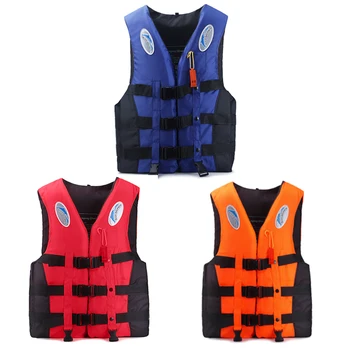
Be aware of slippery rocks, uneven shorelines, changing water levels, and strong currents. If you’re fishing from a boat, always wear an appropriately fitted personal flotation device.
Keep hooks, knives, and other sharp equipment stored safely when not in use, especially if children are participating in the trip.
Carry a basic first-aid kit, drink plenty of water throughout the day, and let someone know where you’re fishing and when you expect to return.
Simple safety habits help create enjoyable outdoor experiences.
Respect Fishing Regulations
Before heading out, take time to learn the fishing regulations for your area.
Many locations require fishing licenses, and regulations often include size limits, catch limits, seasonal restrictions, and protected species.
These rules help conserve fish populations and ensure healthy fisheries for future generations.
Understanding and following local regulations is part of being a responsible angler.
Respect for conservation benefits both the environment and the fishing community.
Practice Good Fishing Etiquette
Fishing is often a peaceful activity, and showing respect for others helps everyone enjoy their time outdoors.
Give fellow anglers enough space to fish comfortably without interfering with their lines or casting areas.
Keep noise to a minimum, especially in quiet natural settings, and avoid crowding popular fishing spots.
Always clean up after yourself by packing out fishing line, tackle packaging, and any other trash you bring with you.
Discarded fishing line can be harmful to wildlife, making proper cleanup an important part of responsible fishing.
Treating both nature and fellow anglers with respect creates a better experience for everyone.
Continue Learning With Every Trip
One of the best things about fishing is that there’s always something new to learn.
Each outing teaches valuable lessons about weather, water conditions, equipment, fish behavior, and outdoor skills.
As you gain experience, you’ll naturally become more confident choosing locations, selecting equipment, and refining your techniques.
Every fishing trip builds knowledge that makes future adventures even more enjoyable.
The learning process is one of the reasons fishing remains a lifelong hobby for so many people.
Final Thoughts
Fishing is an enjoyable outdoor activity that combines relaxation, skill, and adventure. With basic equipment, simple casting techniques, an understanding of where fish gather, proper preparation, and respectful fishing etiquette, beginners can quickly build confidence on the water.
Remember that fishing isn’t only about catching fish. It’s about enjoying nature, learning new skills, spending quality time outdoors, and appreciating the peaceful moments that come with every trip.
Whether you’re visiting a nearby pond, casting from a lakeshore, exploring a river, or planning your first fishing vacation, every outing offers an opportunity to learn, improve, and create lasting outdoor memories.
The best anglers all started as beginners—and every successful fishing journey begins with that very first cast.


0 Comments