
Camping is one of the most rewarding ways to experience the outdoors. It offers the opportunity to slow down, enjoy fresh air, disconnect from daily distractions, and create lasting memories with family and friends. Whether you’re planning a weekend at a local campground or your first overnight adventure in nature, camping is an activity that nearly anyone can enjoy with the right preparation.
For beginners, however, camping can seem overwhelming. Questions about where to camp, what gear to bring, how to set up a campsite, and what to expect are common. The good news is that your first camping trip doesn’t need to be complicated. With a little planning and a few essential pieces of equipment, you can have a comfortable, safe, and enjoyable outdoor experience.
This guide covers the basics every first-time camper should know before heading into the great outdoors.
Choosing the Right Campsite
Selecting the right campsite is one of the most important decisions you’ll make before your trip.
Many first-time campers find developed campgrounds to be the easiest option because they often provide amenities such as restrooms, picnic tables, potable water, parking, and designated fire rings. These features allow beginners to become comfortable with camping while still enjoying the outdoors.
When choosing a campground, consider the activities you enjoy. Some campgrounds offer easy access to hiking trails, fishing areas, lakes, or scenic viewpoints, while others are better suited for quiet relaxation.
It’s also helpful to check campground regulations before arriving. Reservation requirements, fire restrictions, pet policies, and quiet hours may vary depending on the location.
Choosing a campsite that matches your experience level helps create a much more enjoyable first adventure.
Essential Camping Gear
You don’t need expensive equipment to begin camping, but having dependable essentials makes a significant difference in both comfort and safety.
A quality tent should provide enough room for everyone in your group while offering protection from changing weather conditions. Pair your tent with a properly sized rainfly and ground tarp to help keep moisture out.
Sleeping comfortably is equally important. A sleeping bag designed for expected nighttime temperatures, along with a sleeping pad or inflatable mattress, provides both cushioning and insulation from the ground.
Camp chairs and a portable table help create a comfortable place to relax, eat meals, and spend time together.
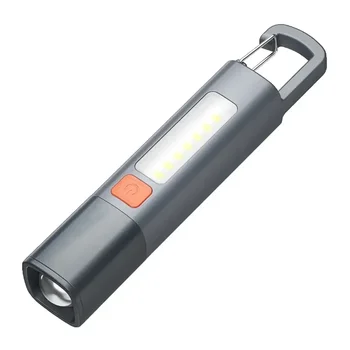
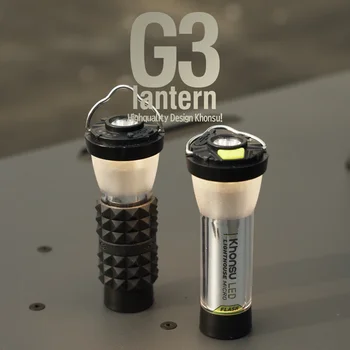
Reliable lighting, including lanterns and headlamps, makes moving around camp after sunset much easier and safer.
Basic cooking equipment, reusable utensils, food storage containers, and plenty of drinking water round out the essentials for most beginner camping trips.
Pack Smart, Not Heavy
One of the most common mistakes new campers make is bringing far more equipment than they actually need.
Packing thoughtfully makes setting up camp easier and keeps your campsite organized throughout your trip.
Store similar items together, such as cooking supplies, clothing, sleeping gear, and personal items. Waterproof storage bins and dry bags help protect equipment while making everything easier to locate.
Pack clothing in layers rather than bringing bulky outfits. Weather conditions often change throughout the day, and layered clothing allows you to stay comfortable without carrying unnecessary items.
Keeping your gear organized from the start makes every part of your camping trip more enjoyable.
Setting Up Your Campsite
After arriving at your campsite, take a few moments to choose the best location for your tent.
Look for level ground that is free from rocks, sticks, and uneven surfaces. Avoid setting up in low areas where rainwater could collect if weather changes unexpectedly.
Once your tent is assembled, organize your campsite into separate areas for sleeping, cooking, dining, and relaxing. Creating designated spaces helps everyone know where equipment belongs and makes the campsite feel more comfortable.
Store food securely and keep cooking supplies separate from sleeping areas whenever possible.
A well-organized campsite not only improves convenience but also helps promote safety throughout your stay.
Dress for Changing Weather
One of the biggest surprises for new campers is how quickly outdoor temperatures can change.
Even warm summer days often give way to cool evenings and chilly mornings.
Layering your clothing is the easiest way to stay comfortable. Lightweight base layers help manage moisture, insulating layers provide warmth, and waterproof outer layers protect against wind and rain.
Comfortable hiking shoes or sturdy outdoor footwear make walking around camp easier while providing better traction on uneven ground.
Packing extra socks and a warm hat can make a noticeable difference during cooler nights.
Being prepared for changing weather helps ensure your trip remains enjoyable regardless of the forecast.
Camp Cooking Made Simple
Preparing meals outdoors doesn’t have to be complicated.
Many beginner campers enjoy simple breakfasts, sandwiches, one-pot dinners, or easy-to-grill meals that require minimal equipment.
Preparing ingredients before leaving home can save time at camp while reducing cleanup afterward.
Be sure to bring enough drinking water and keep food stored securely in appropriate containers to protect it from wildlife.
Simple meal planning allows you to spend more time enjoying your surroundings and less time worrying about cooking.
Practice Good Camping Etiquette
Camping is a shared experience, and respecting both fellow campers and the natural environment helps everyone enjoy their time outdoors.
Keep noise levels reasonable, especially during designated quiet hours, and be courteous when using shared campground facilities.
Always clean up after yourself by disposing of trash properly and leaving your campsite in excellent condition before departing.
Respect wildlife by observing animals from a safe distance and avoiding feeding them.
Following campground rules and showing consideration for others creates a more enjoyable experience for everyone.
Stay Safe During Your Adventure
Outdoor safety begins with preparation.
Before leaving home, check the weather forecast and inform a trusted friend or family member of your camping plans.
Carry a basic first-aid kit, flashlight or headlamp, extra batteries, a multitool, emergency blanket, and fire-starting supplies as part of your standard camping equipment.
Stay hydrated throughout the day and pay attention to changing weather conditions.
If you’re exploring nearby trails, carry a map or navigation device and remain on designated paths whenever possible.
Simple safety habits provide confidence while allowing you to focus on enjoying your adventure.
Leave Nature Better Than You Found It
One of the most important responsibilities every camper shares is helping protect natural spaces.
Pack out everything you bring with you, including food waste and trash. Avoid damaging plants or disturbing wildlife, and leave campsites clean for future visitors.
Following Leave No Trace principles helps preserve parks, forests, and campgrounds so others can enjoy the same beautiful outdoor experiences for years to come.
Respecting nature is an essential part of responsible camping.
Final Thoughts
Camping may seem intimidating at first, but it quickly becomes one of the most enjoyable ways to experience the outdoors. By choosing the right campsite, packing dependable gear, setting up an organized camp, dressing for changing weather, practicing good camping etiquette, and preparing for basic safety, you’ll be well equipped for a successful first adventure.
Every camping trip builds new skills and confidence. As you gain experience, you’ll discover what gear works best for your style of camping, refine your routines, and become more comfortable exploring new destinations.
The beauty of camping isn’t about having the most expensive equipment—it’s about spending time outdoors, creating unforgettable memories, and appreciating the simple pleasures that nature provides.
Your first camping trip is just the beginning of many great adventures to come.

0 Comments